You may have noticed that many of your friends are having their wisdom teeth pulled out too. Why? That’s because there is an optimal (yet fleeting) opportunity between the ages of 17-25 when the tooth roots haven’t fully formed yet. Thus, the risk of damaging nearby nerves, bones, and teeth during this time is significantly less.
As oral surgery specialists with extensive training and experience, we offer a different kind of “wisdom teeth experience” to our patients and their families. We are with you every step of the way and pay extra attention to the most critical parts of your child’s care, including:
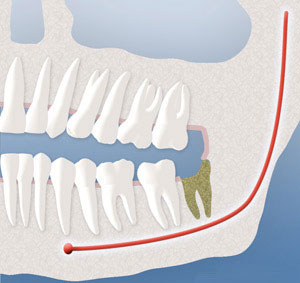
During your initial consultation, we will take x-rays and use specialized imaging tools to get a clear picture of the positioning of your wisdom teeth.
We are committed to giving you a great experience! Thanks to rapidly advancing technology, new medicines, sterilization, infection control options, and anesthesia options, our oral surgeons can perform the procedure in a way that promotes quicker healing, minimizes pain, and maximizes comfort.
Prior to your wisdom teeth removal surgery, we will send you home with very specific pre- and post-surgical instructions so that you know what to expect.
Recovery from wisdom teeth extraction
Post-op soreness can typically be managed with over-the-counter medications; however, all medication options will be discussed ahead of your surgery to ensure that you have adequate pain relief at home as the anesthesia wears off. Be sure to talk to your oral surgeon about any concerns you may have.
Complications following wisdom teeth removal are rare and largely avoidable. However, if you suspect any of these complications, please call us for instructions:
If you have any questions regarding your pre-operation, procedure, or post-surgery, do not hesitate to contact our office. The more informed you are the more comfortable you will be. Together, you and our team of experts will give you the best experience.
The cost of wisdom teeth removal varies depending on several circumstances (positioning, level of impaction, number of teeth) that are unique to your teen’s case. We will discuss all costs with you upfront and can help you determine whether your insurance offers any benefits for the procedure.
Because it is so common for wisdom teeth to cause problems such as infection, pain, damage to neighboring teeth, and, in rare circumstances, cysts and tumors, it is generally recognized as standard practice to remove them in most people during the late teens and early twenties, before the roots have fully developed. Waiting to remove them increases the likelihood of problems and complications should they need to be removed down the road.
As with any surgical procedure, there are some possible complications associated with the removal of the third molars. However, since the procedure has been very well tested, these complications (nerve injuries, fractures and injury to the joint) are very rare, and, if the surgery is performed at an early age, the risk is even less.
Are you feeling unsure about getting your wisdom teeth extracted? Consider this: Wisdom teeth that are not removed can cause the following problems throughout your life:
Your gums can become infected, a condition known as “pericoronitis”, due to the wisdom teeth unsuccessfully trying to push through the gum tissue. This condition, which causes pain, swelling, and problems swallowing, can recur periodically.
Cysts are fluid-filled pockets that can form inside the jawbone when wisdom teeth are impacted. They can be very damaging and difficult to treat as they destroy jawbone and even neighboring teeth.
Crowding and alignment issues
It should be no surprise that impacted wisdom teeth crowd your smile, causing misalignment issues, even if you have had braces.
Wisdom teeth are notorious for damaging their neighbors by making it difficult to practice good hygiene in the area. This often results in decay, gum disease, and sometimes bone loss.
 The most common complication following a tooth extraction, “dry socket”, occurs when the blood clot in an extraction site becomes dislodged or never develops properly. This can happen for a variety of reasons, including smoking and straw use, improper home care such as vigorous rinsing, and unknown infections. If you have symptoms of dry socket, please call our office immediately so that we can get you proper care and pain control. Dry socket symptoms typically appear several days after your surgery and may include: