
Home / Procedures / Oral Pathology
The inside of the mouth is normally lined with a special type of skin (mucosa) that is smooth and coral pink in color. Any alteration in this appearance could be a warning sign for a pathological process. Oral Pathology focuses on identifying and evaluating diseases or abnormal changes affecting the mouth, jaws, face, and related tissues. One of the most serious conditions that may be detected through an oral examination is oral cancer.
Oral mucosa changes can be detected on the lips, cheeks, palate, gums, tongue, face, or neck. Pain does not always occur with pathology, and curiously, is not often associated with oral cancer and may not be present with oral cancer, particularly in its earlier stages. However, any patient with facial and/or oral pain without an obvious cause or reason should consider a professional evaluation to determine the cause.
At Memorial Oral & Maxillofacial Surgery, Oral Pathology and Oral Cancer Screening Services in Houston can help identify suspicious or abnormal changes and determine whether additional testing or treatment may be appropriate.
Oral cancer can sometimes develop without obvious pain or symptoms, which makes awareness and routine examinations important. Finding suspicious changes earlier may provide more treatment options and can improve outcomes.
The National Cancer Institute’s SEER data indicate that when oral cancer is detected early, survival outcomes are improved and treatment-related health problems are reduced. Regular dental visits and professional Oral Cancer Screenings give your dentist or oral and maxillofacial surgeon an opportunity to identify changes that may need further evaluation. Your provider can recommend an appropriate screening schedule based on your age, health history, risk factors, and individual needs.
In addition, oral and maxillofacial surgeons recommend that everyone perform an oral cancer self-exam each month. A self-exam does not replace a professional Oral Cancer Screening, but it can help you become familiar with what is normal for your mouth and notice new or persistent changes. An oral examination is performed using a bright light and a mirror:
Pay attention to changes that persist, worsen, or look or feel unusual compared with the surrounding tissue. If you are concerned about something you find, an oral and maxillofacial surgeon can evaluate the area rather than relying on a self-exam alone.
Oral and maxillofacial pathology can include a wide range of conditions affecting the soft tissues, jawbones, salivary glands, and other structures of the mouth and face. Examples may include cysts, tumors, persistent sores, unusual patches of tissue, or other abnormal growths and lesions.
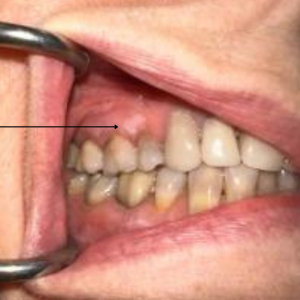
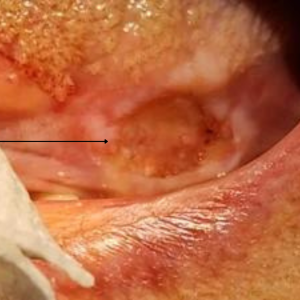
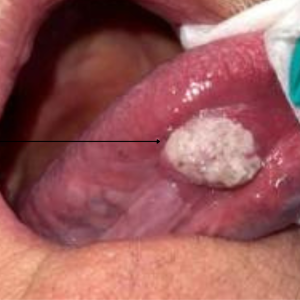
Not every change is cancerous. Many oral abnormalities are benign, but a professional examination is important when a lesion or symptom does not resolve as expected. If you are searching for oral and maxillofacial pathology near me, an evaluation with an oral surgeon can help determine whether observation, additional testing, a biopsy, or treatment is appropriate.
When performing an oral cancer self-examination, look for the following:
See your oral and maxillofacial surgeon if you have any of these signs. These symptoms do not necessarily mean you have oral cancer, but persistent or unexplained changes should be professionally evaluated.
If the oral and maxillofacial surgeon agrees that something looks suspicious, a biopsy may be recommended. A biopsy involves the removal of a piece of the suspicious tissue, which is then sent to a pathology laboratory for a microscopic examination to help determine the diagnosis. The biopsy report not only helps establish a diagnosis, but also enables the doctor to develop a specific plan of treatment.
Keep in mind that your mouth is one of your body’s most important early warning systems. Don’t ignore any suspicious lumps or sores. Should you discover something, make an appointment for a prompt examination. Early treatment may well be the key to complete recovery.
If you have noticed an unusual change in your mouth or are looking for Oral Pathology in Houston, contact Memorial Oral & Maxillofacial Surgery to schedule an evaluation. Our team can assess your concerns and explain whether additional testing, monitoring, or treatment may be recommended.