Home / Procedures / Impacted Canines
The canine teeth, also called the maxillary cuspids or “eyeteeth,” are typically among the last permanent front teeth to erupt in the mouth, usually around age 11-12 for upper canines. As with wisdom teeth, there is often not enough space for them to erupt, causing them to become impacted. An impacted canine tooth is one that cannot emerge into its proper position, often because it is blocked by surrounding teeth or bone.
However, unlike wisdom teeth, the canines are important to both the appearance and function of your smile, so preserving them is often the preferred approach when possible. Instead, we, we may be able to “coax” them into position. We work with your orthodontist to reach the best results.
At Memorial Oral & Maxillofacial Surgery, we provide impacted canine surgery for patients in Houston, Cypress, Katy, and surrounding communities.
Your canines are vitally important to your smile and your bite:
Aesthetics: The canine teeth are the cornerstones of the arch. Without them, the smile may appear less balanced, and the surrounding teeth can shift out of alignment. Function: The canines are extremely strong and have the longest roots of any teeth. Without them, other teeth in the mouth may experience changes in how biting forces are distributed, potentially affecting long-term dental function.
Because impacted canine teeth play such an important role in oral health, early evaluation and treatment can help preserve your natural teeth and support proper bite alignment.
Children should be screened by an orthodontist first at age 7 to monitor the development of teeth, including the eyeteeth. By checking in early, you may be able to avoid extensive oral surgery down the road. If it seems likely that the canines are going to become impacted, we may be able to remove baby teeth in the area to help create adequate space for canine development.
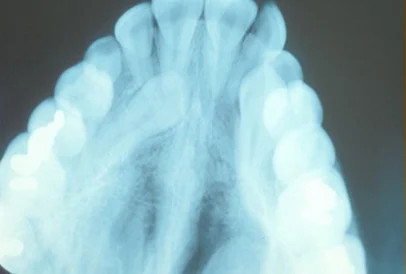
An oral surgeon can use dental imaging to evaluate the position of an impacted canine tooth and determine whether surgical treatment may be necessary. Early detection can improve treatment planning and may reduce the complexity of future care.
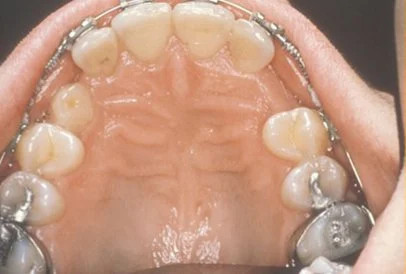
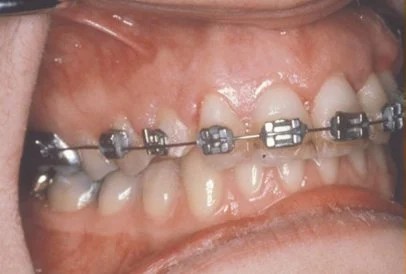
As you can see here, the treatment for impacted teeth may become more complicated as patients get older:
The surgery to expose impacted canines often takes approximately 45–60 minutes, although the exact duration depends on the tooth’s position and the complexity of the procedure. It’s a comfortable procedure typically performed with local anesthesia, with additional sedation options available when appropriate to help keep patients comfortable.
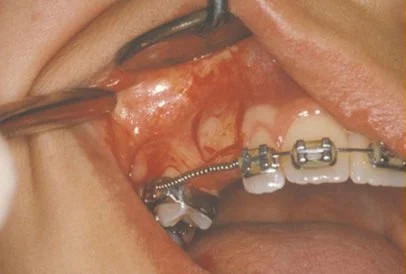
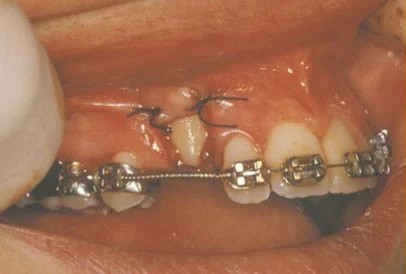
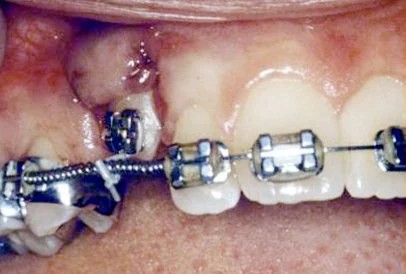
During impacted canine tooth surgery, your oral surgeon makes a small opening in the gum tissue to expose the impacted tooth. This allows your orthodontist to guide the tooth into its proper position over time.Mild swelling and soreness may occur for several days following the procedure, and can often be managed with over the counter pain medicines when recommended by your oral surgeon.
During the surgery, the crown of the tooth is uncovered. Depending on the severity of impaction, we may attach a bracket and gold chain to the tooth to “pull” it into place, or we may simply apply a dressing and let it find its own way. When a bracket and chain are used, your orthodontist gradually applies gentle pressure to help guide the canine into alignment. This process typically takes several months, depending on your individual treatment plan.
It’s important to maintain good dental hygiene as part of your home care practice. Follow your specific postoperative instructions, including recommendations for brushing, rinsing, and avoiding foods that could irritate the surgical site. We will schedule a follow-up appointment about a week after surgery to check on your healing.
Should you have any concerns about the status of your healing, please don’t hesitate to call the office where your procedure was completed.
If you or your child needs impacted canine surgery, Memorial Oral & Maxillofacial Surgery provides coordinated care with orthodontists throughout Houston, Cypress, and Katy. Contact our team to schedule a consultation and discuss your treatment options.