You’re about to have oral surgery and you’re wondering, what can I eat?
A soft food diet after oral surgery can protect the surgical site and make eating more comfortable while you heal. Many patients eat only liquids and very soft foods for the first few days before gradually adding foods that require minimal chewing. Recovery timelines vary after procedures such as Dental Implants and Wisdom Teeth Removal, so follow your oral surgeon’s specific instructions.
Avoid spicy, acidic, crunchy, sticky, or very hot foods that could irritate the area. Do not drink alcohol or carbonated beverages, and avoid using straws until your oral surgeon says it is safe. Small foods, seeds, and crumbs may also become lodged near an extraction site or stitches.
Here are some suggested dishes so you and your caretaker are ready after surgery.
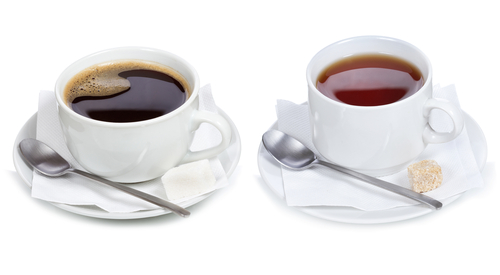
All food and drinks need to be room temperature or cool. Avoid anything hot for the first 24 hours. Once your surgeon says you may eat, begin with cool or room-temperature liquids and foods such as water, broth, gelatin, and non-citrus juice. Avoid hot coffee, tea, soup, and other hot foods or drinks during the initial recovery period.
Do not consume foods that require you to chew. You can slowly add thicker liquids and progress to soft foods as comfort allows and according to your surgeon’s directions.
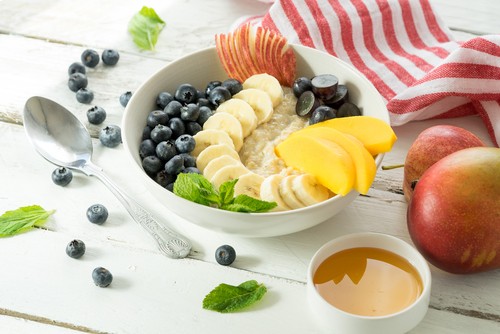
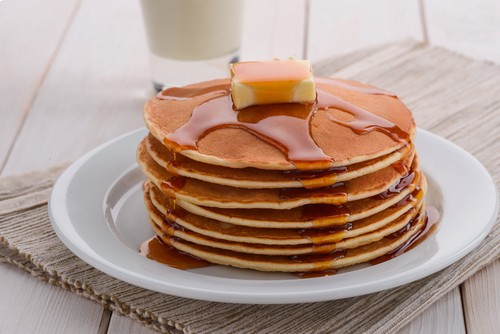
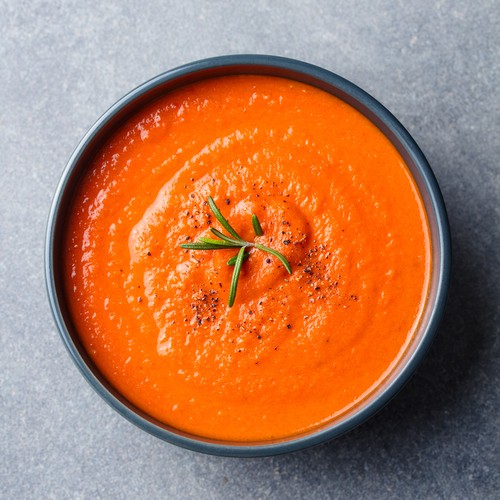
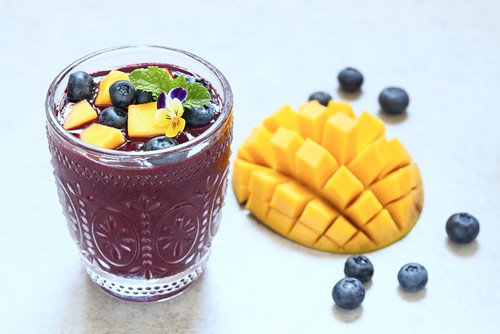
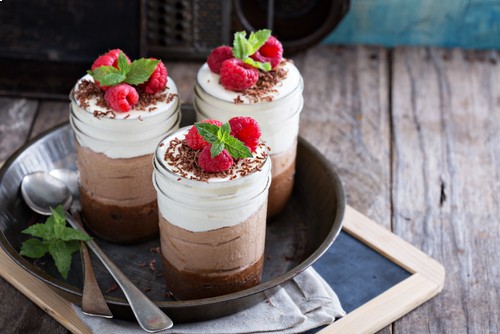
Here are some ideas for soft foods after oral surgery. Some dishes are more popular depending on the season. Some dishes are delicious anytime. Choose smooth options without seeds, hard pieces, crispy toppings, or other ingredients that could disturb the surgical site.
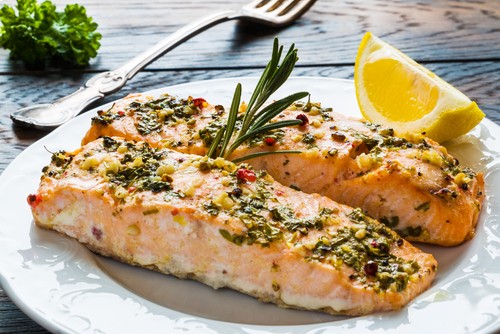
Smooth sauces, mild seasonings, and finely blended herbs can add flavor, but avoid seeds, coarse herbs, and spicy ingredients that could irritate the surgical site. If you are unsure about what to eat after oral surgery with stitches, ask your surgeon before advancing your diet.
The best soft foods after oral surgery require little or no chewing. Options include yogurt, applesauce, scrambled eggs, mashed potatoes, smooth soups, oatmeal, soft pasta, flaky fish, and puréed vegetables. Follow any procedure-specific dietary instructions provided by your oral surgeon.
Choose smooth, soft foods that will not pull on the stitches or become trapped around them. Yogurt, pudding, applesauce, mashed potatoes, scrambled eggs, and blended soups are helpful options. Avoid seeds, crumbs, sharp foods, and chewing directly over the surgical area.
The timeline depends on your procedure and healing progress. Some patients begin adding firmer foods after several days, while others require a soft or non-chewing diet for longer. Follow your oral surgeon’s instructions and do not advance your diet if eating causes pain or bleeding.
Avoid hard, crunchy, chewy, sticky, spicy, acidic, and very hot foods. Nuts, seeds, popcorn, chips, crusty bread, and small food particles may irritate the site or become lodged near it. Alcohol, carbonated beverages, and drinking through a straw should also be avoided.
Return to solid foods only when your oral surgeon approves and you can chew comfortably without pain or bleeding. Add foods gradually, beginning with tender options that require minimal chewing. Continue avoiding hard or crunchy foods until the surgical site has healed sufficiently.